
Death by a Thousand Cuts: Why Oregon's Hospitality Industry Needs a Stronger Voice Than Ever
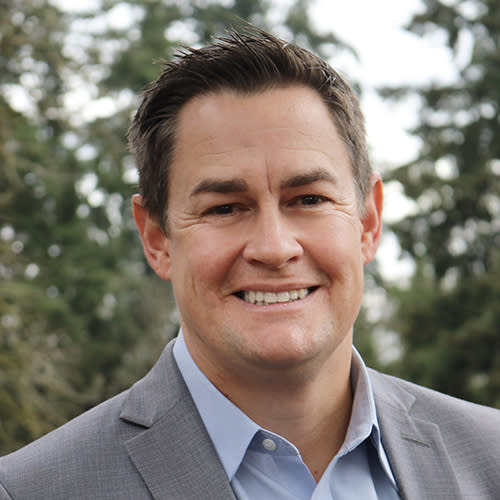
Death by a Thousand Cuts: Why Oregon's Hospitality Industry Needs a Stronger Voice Than Ever
From the CEO: Industry Intelligence for Oregon Hospitality
As Oregon prepares for the 2027 Legislative Session, the stakes for our restaurant and lodging businesses continue to rise.
There is a phrase we heard repeatedly during our recent travels across Oregon that perfectly captures the challenges our industry is facing: "Death by a thousand cuts."
After completing eight ORLA Regional Roundups across the state, our professional staff have heard firsthand how increasingly difficult it has become to operate a profitable hospitality business. Rising labor costs, escalating operational expenses, mounting regulatory requirements, and additional layers of taxation are collectively putting tremendous pressure on businesses that serve as the economic backbone of communities throughout Oregon.
These are the same businesses responsible for approximately one out of every ten paychecks in our state. They are the restaurants bringing life to our downtowns, the hotels supporting visitor spending, and the employers providing critical entry points into Oregon's workforce.
And they are telling us something important: The cumulative cost of doing business in Oregon is becoming unsustainable.
Election Results Reinforce the Importance of Advocacy
With the November elections behind us, the political landscape heading into the 2027 Oregon Legislative Session is taking shape.
Democrats will hold 19 seats in the Oregon Senate compared to 11 Republicans, while the Oregon House will include 39 Democrats and 21 Republicans. These margins preserve Democratic supermajorities in both chambers, providing the three-fifths legislative thresholds necessary to approve revenue-raising measures without Republican votes.
For ORLA, these dynamics reinforce the importance of our commitment to working across party lines and engaging elected officials at every level of government.
Our mission is not about political parties. It is about ensuring the voices of restaurant and lodging operators are heard, respected, and understood when public policy decisions are made.
That means showing up. It means building relationships. And it means being in the Capitol building every day during the legislative session, providing lawmakers with real-world perspectives on how their decisions affect the businesses responsible for supporting Oregon's economy.
Local Tax Measures Signal Growing Pressure
While statewide legislative dynamics capture significant attention, some of the most consequential decisions affecting hospitality businesses are happening much closer to home.
The November election featured several local ballot measures with direct implications for restaurants, lodging properties, and the broader visitor economy.
In Bandon, voters approved increasing the city's local lodging tax from 9.5% to 12%. In Cascade Locks, voters approved a new 5% sales tax on prepared foods and nonalcoholic beverages. Columbia County voters rejected a proposal to establish a new 13% lodging tax in unincorporated areas, along with an additional 4% tax overlay in cities already collecting local lodging taxes. Eugene voters approved a new 2% tax targeting businesses meeting specified local and international sales thresholds.
Each of these measures deserves attention, but the situation in Cascade Locks is particularly illustrative of the broader challenge facing our industry.
Eight restaurants in that community are now facing another layer of taxation to administer and collect from their customers, with proceeds intended to support the local fire department.
Let's be clear: Everyone values fire protection and emergency services. These are essential public services benefiting residents, visitors, and businesses alike.
The question is whether a small group of restaurants and their customers should be singled out to shoulder an additional tax burden for a service that benefits the entire community.
These eight restaurants already navigate a complex web of taxes, fees, and regulatory obligations. Now they must account for another tax at the point of sale, collect the revenue, and remit payments to the city.
At what point do we acknowledge that continually targeting individual industries to address broader community funding challenges is not a sustainable fiscal strategy?
Oregon Needs Structural Reform, Not More Band-Aids
The pressure on local governments is real. Communities across Oregon face difficult budget decisions, growing service demands, and rising costs.
We recognize those challenges, and ORLA is committed to being a constructive partner in conversations about sustainable public services.
But we are increasingly concerned about the tendency to view restaurants, lodging properties, and visitors as convenient sources of additional revenue.
Tourism-related taxes can be politically attractive because they are often presented as taxes paid by people who live somewhere else. Yet the economic reality is much more complicated.
Visitors make decisions based on affordability. They compare destinations. They consider the total cost of a weekend getaway, family vacation, business trip, or special event.
When Oregon communities continually add new taxes and fees to the cost of dining and overnight accommodations, those decisions become more difficult for consumers.
And when visitors choose another destination, the consequences extend well beyond the hotel or restaurant that loses a customer. Retailers, attractions, entertainment venues, transportation providers, and other local businesses lose economic activity as well.
This is why ORLA continues to emphasize the importance of comprehensive tax reform in Oregon.
There is recognition across the political spectrum that Oregon's tax structure presents significant challenges. Rather than continually applying short-term fixes to systemic fiscal problems, we need a more thoughtful conversation about how essential public services are funded and how Oregon maintains a competitive environment for private-sector investment and employment.
The Next Quarter Will Be Critical
Our government affairs team is already preparing for the 2027 Legislative Session, where we expect significant conversations about taxation, business costs, workforce sustainability, and the overall competitiveness of Oregon's economy.
At the same time, our attention will remain focused on local governments.
City and county budget committees will soon begin their work on budgets for the next fiscal year, many of which begin July 1, 2027. Given the financial pressures facing local governments, we anticipate additional discussions about lodging taxes, restaurant taxes, and other revenue-generating proposals.
ORLA will be engaged in those conversations, working alongside local operators, chambers of commerce, destination marketing organizations, and community partners to ensure decision-makers understand the economic consequences of proposals affecting hospitality businesses.
But our most important work in the coming months may be telling the stories behind the numbers.
We need elected officials to hear directly from the restaurant owner struggling to absorb another increase in operating costs. From the hotel operator weighing whether a renovation or expansion remains financially feasible. From the small business owner who wants to invest in employees but cannot confidently forecast the next round of taxes and regulatory expenses.
These stories matter because public policy decisions have real consequences for real people.
Our Strength Comes From Standing Together
One of the most valuable lessons from our eight Regional Roundups is the reminder that Oregon's hospitality industry is incredibly diverse yet remarkably connected by common challenges.
The circumstances facing a coastal lodging operator may differ from those of a restaurant owner in the Columbia River Gorge or a hotelier in Eastern Oregon. But all are navigating the same fundamental question:
How do we sustain a profitable business model while continuing to provide jobs, serve our communities, and deliver experiences that keep Oregon competitive?
ORLA's responsibility is to amplify those voices and ensure they are part of every meaningful policy conversation.
We will continue working with Democrats and Republicans, urban and rural legislators, city councilors, county commissioners, and federal officials. Our advocacy is grounded in the belief that strong hospitality businesses create stronger communities, regardless of political affiliation.
As we look toward 2027, we will be asking more of our members to share their experiences, build relationships with elected officials, and participate in the conversations shaping our industry's future.
Oregon operates in a highly competitive tourism marketplace. Visitors have choices, and affordability plays an increasingly important role in where they choose to spend their time and money.
If we continue giving travelers reasons to look elsewhere, eventually they will.
Our message to policymakers is straightforward: Oregon cannot tax its way to a stronger visitor economy by continually increasing the cost of the very experiences that attract visitors in the first place.
The future of our industry depends on sustainable business models, competitive destinations, and public policies that recognize hospitality as an essential contributor to Oregon's economic vitality.
And our voices will always be stronger when we stand together.